Textile Commodity Sourcing for Your Business

Source cotton, polyester staple fibre, polyester filament yarn, cotton yarn, viscose staple fibre and wool through StratX International.

We help commercial buyers develop sourcing enquiries around fibre quality, yarn specifications and production needs. Whether you require a single order, several materials or repeat supply, share your requirements with our team.

Product grades, origin, availability and commercial terms are confirmed for each offer.

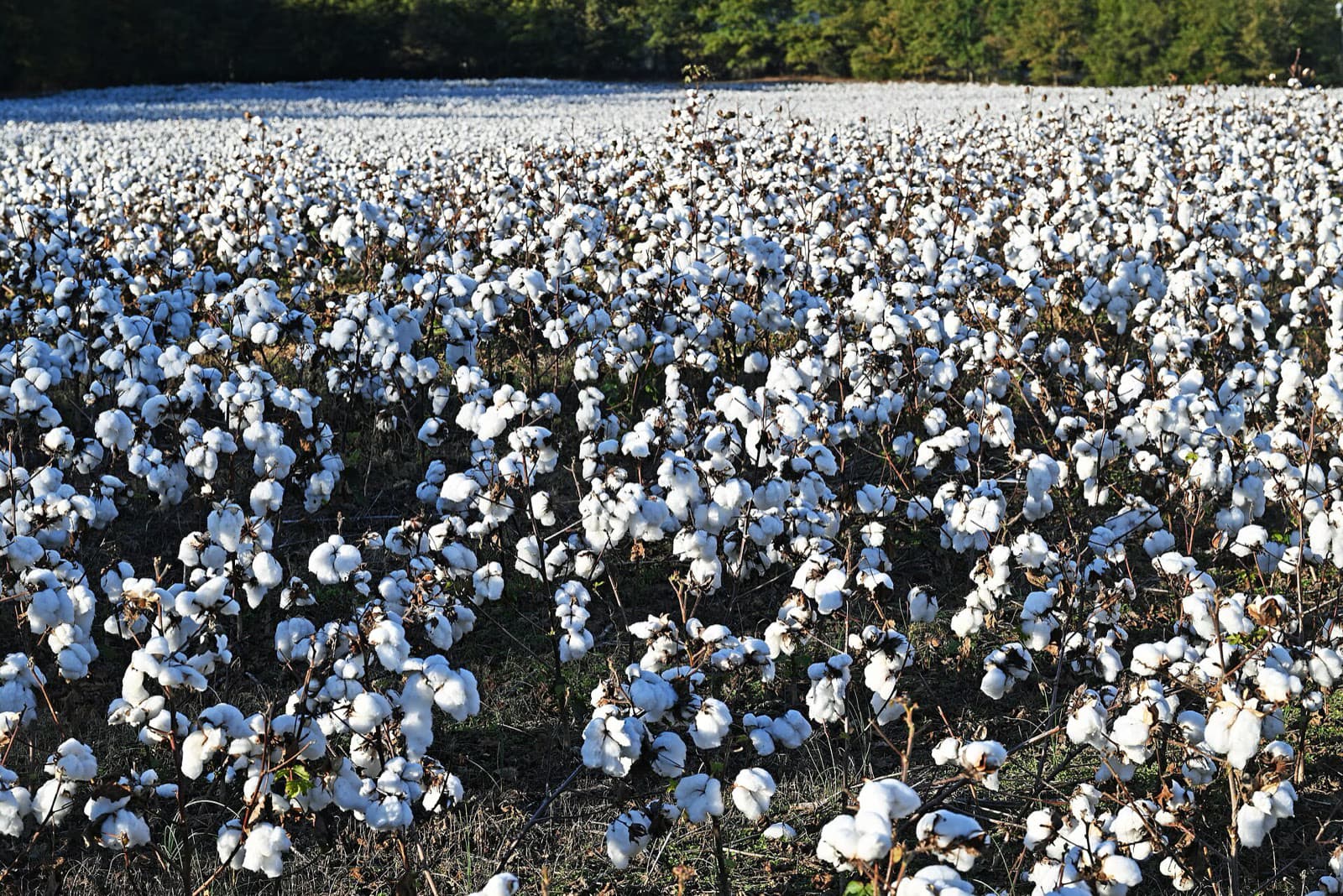
Cotton field ready for textile fibre sourcing

StratX Commodities

Textile Commodities

6 products

Explore Our Textile Commodities

Select a product to go directly to its overview. Each section includes options to submit your requirements or read more.

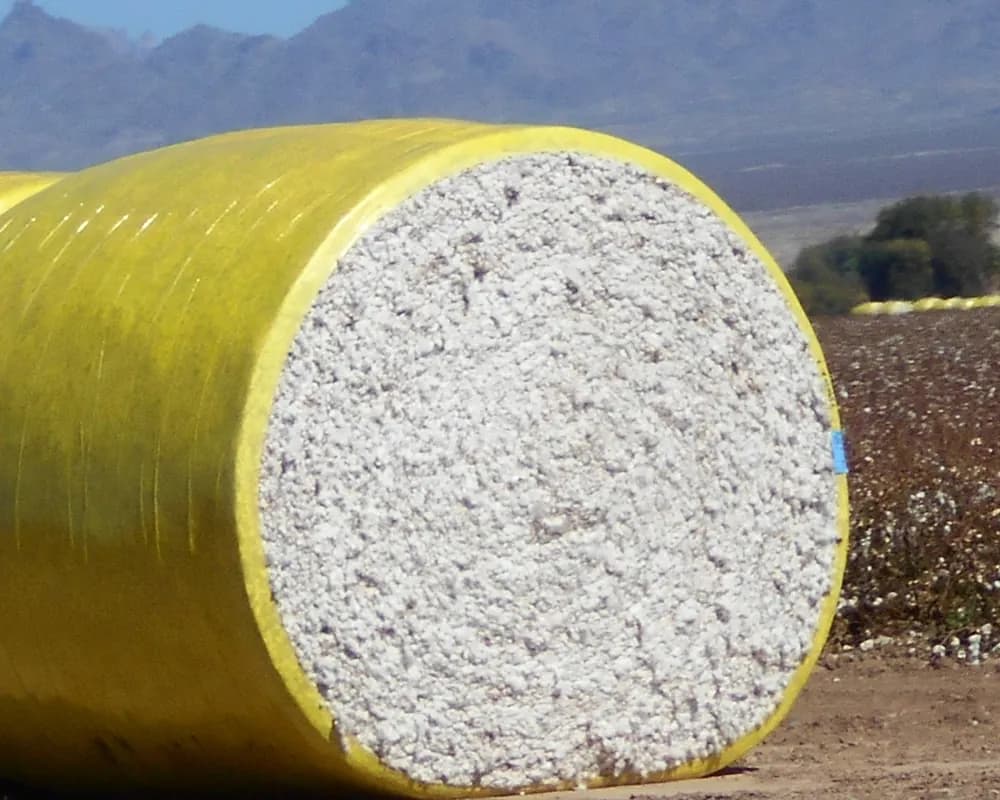
Harvested cotton bale wrapped in yellow plastic

Cotton

Cotton is a natural plant fibre used in yarn spinning and textile production. Buyers need a grade that matches their spinning process, target yarn and finished-product requirements.

Quality assessment commonly considers fibre length, strength, micronaire, colour and unwanted material. Micronaire relates to fibre fineness and maturity.

For your cotton enquiry, include:

  • Required origin and crop year.
  • Fibre length and strength.
  • Micronaire range.
  • Colour, leaf grade and contamination limits.
  • Bale quantity or total weight.
  • Required shipment window.

Share your mill specification or accepted cotton analysis so potential offers can be assessed against your production needs.

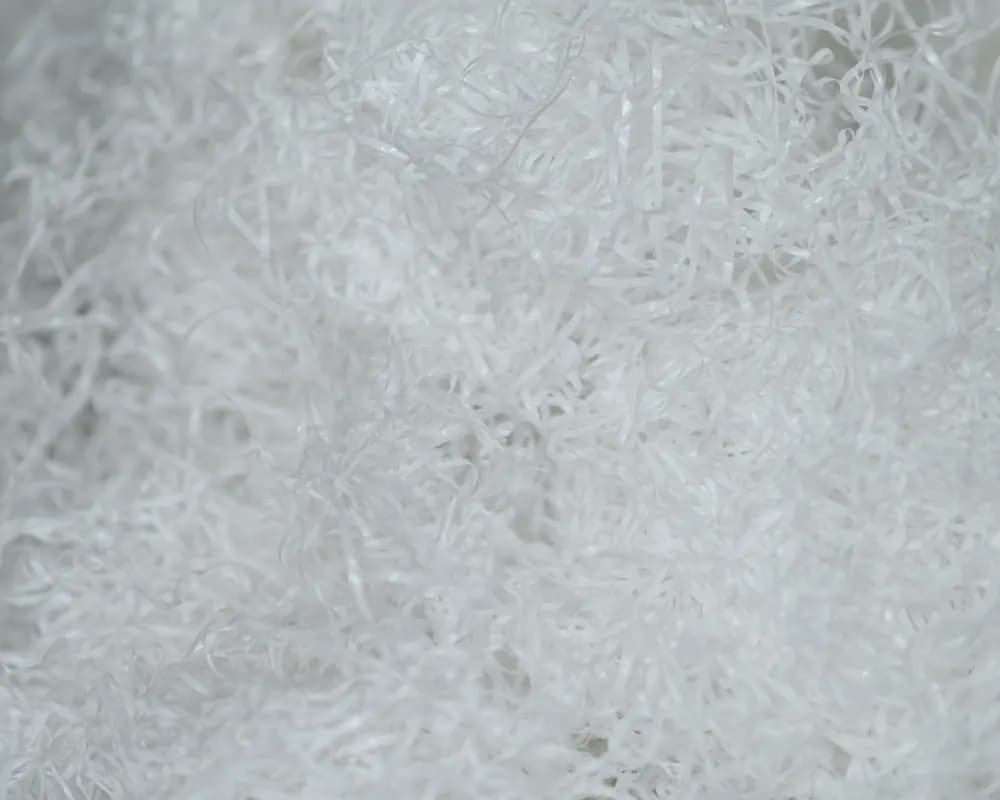
Close-up of white synthetic staple fibre
PSF

Polyester Staple Fibre

Polyester staple fibre, or PSF, consists of polyester fibres cut to specified lengths. It is used in spun yarns, blends, nonwoven materials and filling applications, depending on the grade.

The required fibre must suit the intended process. A spinning grade and a filling grade can have different properties and specifications.

Include:

  • Fibre fineness, expressed in denier or dtex.
  • Cut length.
  • Solid or hollow fibre requirement.
  • Colour and lustre.
  • Virgin or recycled material requirement.
  • Strength, finish and other relevant limits.

StratX assesses enquiries against the requested grade, quantity and delivery requirements.

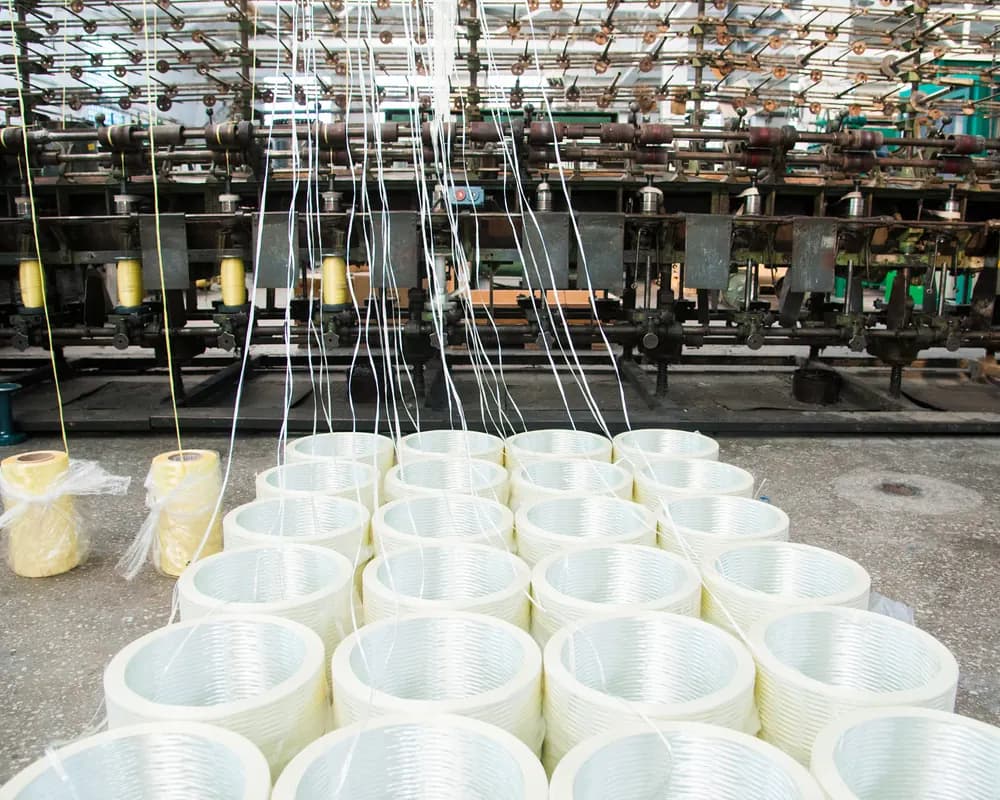
Polyester filament yarn spools in a textile factory
POY · FDY · DTY

Polyester Filament Yarn

Polyester filament yarn is made from continuous polyester filaments. Commercial types include partially oriented yarn (POY), fully drawn yarn (FDY) and textured yarns such as DTY. These types serve different processing needs.

For a clear sourcing request, specify:

  • Yarn type and intended use.
  • Yarn size and filament count.
  • Required strength and elongation.
  • Lustre and colour.
  • Twist or intermingling requirements.
  • Package size and order quantity.

Tell us whether the yarn is intended for further processing, weaving, knitting or another application so the proposed product can be reviewed accordingly.

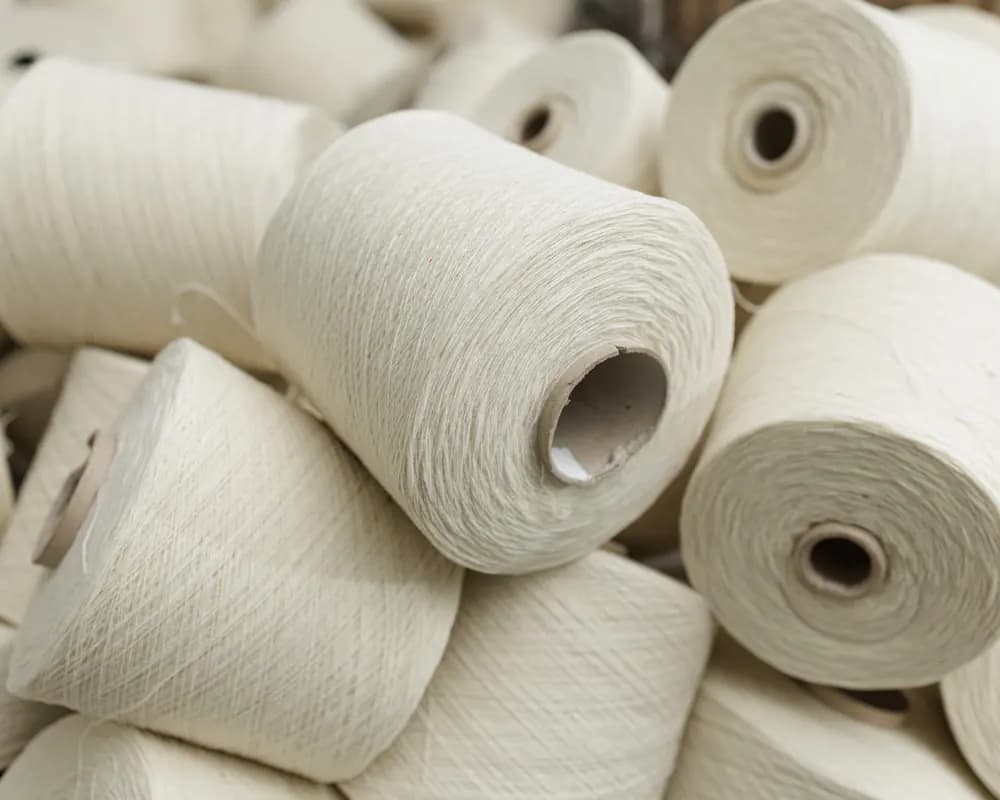
Spools of white cotton yarn

Cotton Yarn

Cotton yarn is produced by spinning cotton fibres into yarn for weaving, knitting and other textile processes.

It is a different purchasing category from raw cotton. Buyers should define the yarn count, spinning method and performance required for their equipment and finished fabric.

Include:

  • Yarn count and count system.
  • Carded or combed requirement.
  • Ring-spun, compact-spun or open-end requirement.
  • Single or plied yarn.
  • Twist, strength and evenness limits.
  • Undyed or dyed requirement, colour and packing.

Send your technical specification and intended application so we can assess suitable sourcing options.

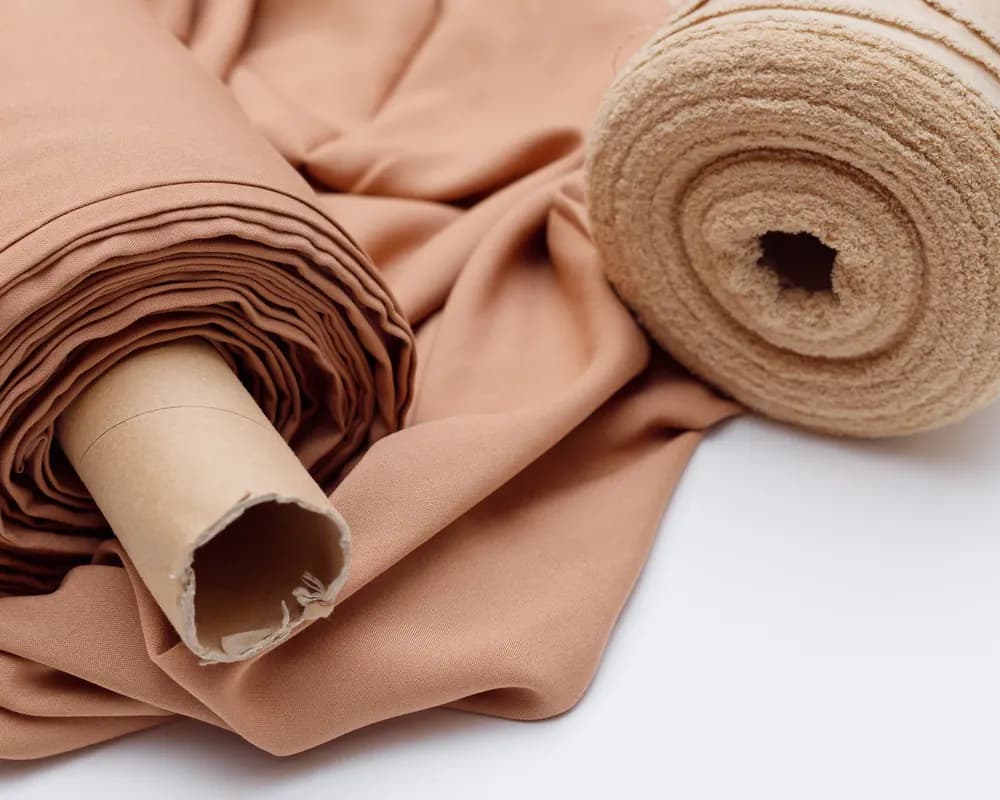
Rolls of soft viscose fabric
VSF

Viscose Staple Fibre

Viscose staple fibre, or VSF, is a regenerated cellulose fibre used in textile and nonwoven production. It can be processed on its own or blended with other fibres, depending on the product and application.

Your enquiry should state:

  • Fibre fineness and cut length.
  • Required strength and elongation.
  • Lustre and colour.
  • Intended spinning or nonwoven process.
  • Blend requirements, where relevant.
  • Quantity and delivery schedule.

Include any required testing or sourcing documentation at the start so these conditions can be assessed with potential suppliers.

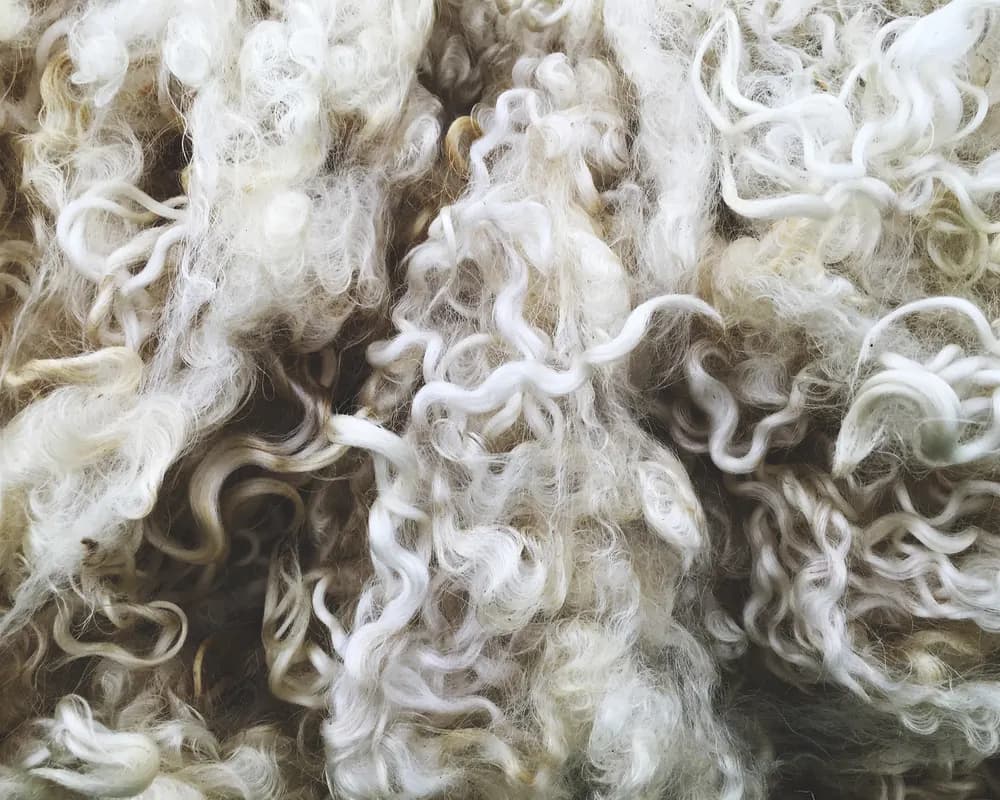
Close-up of natural wool fibre

Wool

Wool is a natural animal fibre used in apparel, knitwear, carpets and other textile products. The required grade depends on the finished product and processing route.

Important buying properties include fibre diameter, staple length, strength, yield and vegetable matter content.

For your enquiry, include:

  • Wool type and preferred origin.
  • Mean fibre diameter in microns.
  • Required length and strength.
  • Greasy, scoured or combed-top requirement.
  • Yield, colour and vegetable matter limits, where applicable.
  • Quantity, packing and delivery window.

State the processing stage you need so the sourcing request matches the material your facility can receive and use.

Product imagery is illustrative. Packaging, branding and label details are confirmed against the offer.

Match the Fibre or Yarn to Your Production Process

A product name alone does not establish whether it suits your mill. Fibre properties, yarn construction and lot consistency can all affect processing and finished-product quality.

Material identity

Fibre type, composition and any blend ratio

Processing stage

Raw fibre, processed fibre or yarn

Size and length

Fibre fineness, cut length, yarn count or filament count

Performance

Required strength, elongation and other test limits

Appearance

Colour, lustre and acceptable variation

Cleanliness

Limits for contamination and unwanted material

Packing

Bale, cone, package or carton requirements

Consistency

Agreed tolerances and lot-identification requirements

An existing technical sheet, test report or accepted sample can help define your sourcing specification.

Textile Sourcing for Your Specific Requirements

Your needs may extend beyond the products shown on this page. StratX International welcomes enquiries for other textile commodities, specialist grades, yarn constructions and buyer-defined material requirements.

  • Products and grades not listed above.
  • Specific fibre properties and yarn counts.
  • Blends and material compositions.
  • Particular colours, finishes and packing formats.
  • Virgin or recycled material requirements.
  • Multiple products within one procurement request.
  • One-off orders and repeat supply programmes.

Send your specification, quantity, destination and timing. Our team will review the requirement and explore suitable supplier options. Availability and final terms are confirmed through the offer.

Submit Your Textile Requirements

Quality & documentation

Samples, Testing and Lot Consistency

Before placing an order, agree on how the proposed material will be assessed.

Depending on the product, this may involve:

  • Fibre or yarn samples.
  • Agreed test methods and acceptance limits.
  • Colour or shade approval.
  • Mill trials, where appropriate and agreed.
  • Lot-specific quality reports.
  • Inspection before shipment.

Confirm how samples relate to the proposed supply lot. For repeat purchases, define the permitted variation between shipments and how any change will be reviewed.

A sample approval should be supported by a clear written specification.

Why Work With StratX International?

Textile sourcing needs a close match between the material offered and the buyer's production requirements.

StratX International helps organise supplier discussions around your fibre, yarn and delivery specifications. Our support can include:

01

Turning mill requirements into a clear supplier request.

02

Seeking technical information, pricing and availability.

03

Coordinating sample and testing enquiries.

04

Clarifying differences between proposed grades.

05

Helping align packing, inspection and shipment terms.

Learn more about StratX International and our procurement capabilities.

Supply & delivery

Packing, Weight and Delivery Requirements

Include your receiving and storage arrangements when requesting an offer.

For fibres, specify bale requirements, identification and any packing limits. For yarns, include cone or package size, carton details and handling requirements.

The offer should clearly state:

  • Net quantity and permitted tolerance.
  • Packing format.
  • Weight and moisture basis, where relevant.
  • Lot or bale identification.
  • Delivery terms and named destination.
  • Shipment window and required documents.

These details help buyers compare offers on the same basis and plan for the material's arrival.

Tender and Repeat Supply Enquiries

For a tender, send the product specification, submission deadline and required supplier documents at the start.

For ongoing mill supply, include the quantity per shipment, preferred frequency and overall supply period. Identify any sample approvals, testing conditions or lot-consistency requirements.

Supplier participation, capacity and future shipment commitments are confirmed through the relevant offer and agreement.

Submit Your Tender or Repeat Supply Requirements

Request Your Textile Commodity Quote

Share your requirements to begin a sourcing review. Please include:

  • Product name and intended use.
  • Fibre or yarn specification.
  • Quantity for each item.
  • Required origin, composition or certification.
  • Sample and testing needs.
  • Packing and destination.
  • Required shipment window.
  • Company name and authorised contact.

Prefer email? Send your enquiry to contact@stratxinternational.com

Frequently Asked Questions

Our range includes cotton, polyester staple fibre, polyester filament yarn, cotton yarn, viscose staple fibre and wool. We also welcome requirements for products beyond the range shown.

Yes. Send the product name, technical specification, quantity and destination. We will assess suitable sourcing options, including specialist grades, blends and buyer-defined requirements.

Cotton is the fibre used as a raw material. Cotton yarn has already been made by spinning cotton fibres together. Buyers sourcing cotton for spinning need fibre specifications; buyers sourcing yarn need details such as count, twist and spinning method.

Polyester staple fibre is cut into specified lengths and used in processes such as spinning, blending and nonwoven production. Polyester filament yarn consists of continuous filaments. The correct product depends on your manufacturing process.

Yes. Include the measurement system and required tolerances. For yarn, state the count and construction. For staple fibres, include fineness and cut length.

The minimum order depends on the product, supplier and packing arrangement. We assess a range of order sizes, including one-off purchases and repeat supply. Send your required quantity so we can explore suitable options.

Yes. State your preferred origins and any exclusions. The proposed origin must be confirmed through the offer and supporting documents.

Yes. Name the required standard and documents in your enquiry. Certification status, scope and any transaction-level evidence must be checked for the proposed supplier and product.

Yes. Send your full list with a specification and quantity for each item. We can review the requirements together and assess sourcing options for each product.

Yes. Include the product specifications, quantity per shipment, preferred frequency and supply period. State any requirements for lot consistency and repeat sample approval.

Send the product name, intended process and any existing label, sample details or test report. These can help clarify the information needed before sourcing discussions progress.